
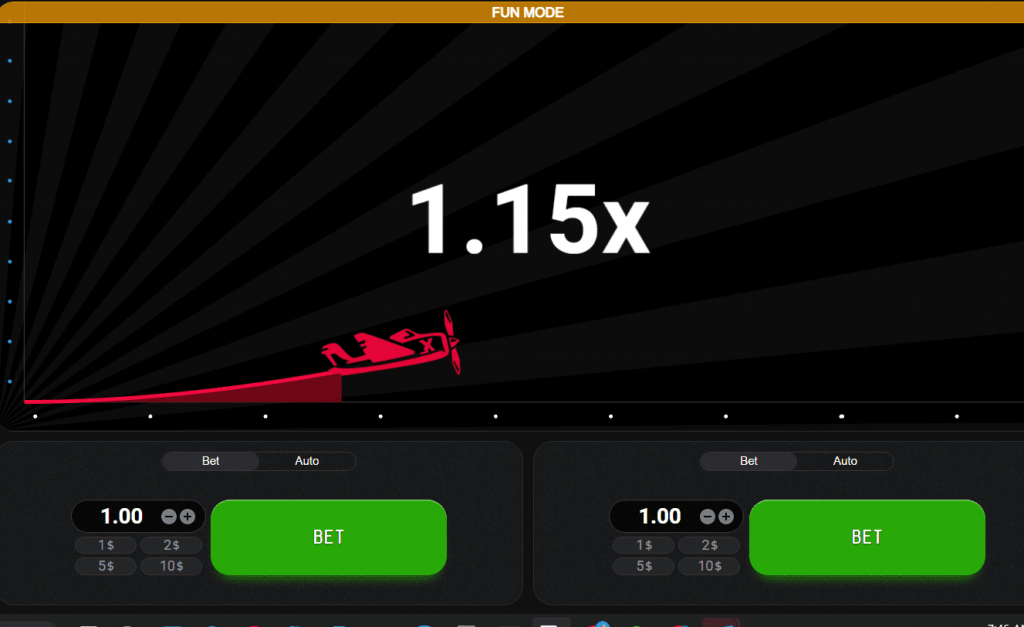
After investing a lot of time with online games, I keep coming back to the Aviator because it executes one thing flawlessly. It bypasses complicated rules and hones in on the raw feeling of risk. You don’t compete against the house or other players; you’re in a race against a number that could disappear without warning. This setup generates a specific kind of pressure, a direct shot of adrenaline that is the whole point of playing. What I’ve learned is that the game’s genius is in this simplicity. It uses a basic idea and converts it into a powerful emotional ride. Every round tells its own short story about greed, timing, and nerve. You can sense the tension in the air, which makes the game as captivating to watch as it is to play.
The Basic Mechanics: How the Aviator Game Functions
Learning the Aviator game is straightforward. Getting comfortable with the tension it produces is the actual challenge. Each round begins with a plane, displayed as a line on a graph, beginning to ascend. A multiplier begins at 1.00 and rises as the plane gets higher. Your sole task is to hit the ‘Cash Out’ button before the plane unpredictably flies off the screen. Withdraw at a 2.00 multiplier, and you double your money. Cash out at 5.00, you receive five times your bet. But if the plane flies away before you act, you forfeit that stake. There’s no strategy involved in anticipating when it will exit—it’s totally random. So the entire game turns into a psychological battle with yourself. You’re always juggling the chance for a bigger payout against the abrupt danger of forfeiting everything. It’s a pure, intense form of gambling excitement.

The Psychology Behind the Adrenaline Spike
That surge you feel playing Aviatorgame is no coincidence. It’s carefully woven into the gameplay. The instant climbing multiplier works as a potent visual and mental stimulus. Watching your possible winnings rise every second taps right into our deep-seated response to growing payoffs. The random crash adds another layer, placing you in a mode of high alert and tension. The game is a genius at using the “near-miss” effect and the fear of missing out, or FOMO. Noticing the multiplier crash immediately after you cashed out delivers a jolt of thankful joy. Crashing a split-second before you click generates a twinge of remorse. This cycle of hesitating, deciding, and witnessing the outcome drenches your body with dopamine and cortisol, creating a powerful cocktail of thrill that draws players back for just one more round.
Key Features That Define the Experience
A few key factors combine to create the particular feel of Aviator. The initial is its bare-bones interface, which eliminates all noise and focuses you entirely on the climbing figure and the withdraw option. Next is the peer influence: most editions display a active list of what other players are betting and collecting. This is not merely for show. It directly influences your decisions. Observing someone else withdraw at a big multiplier may make you want to stay longer, while a run of early losses could lead you to bail out too quickly. Ultimately, the game’s speed is everything. Sessions are over rapidly, sometimes in mere instants. This allows for quick plays and sustains the whole experience flowing at a breakneck speed. These features blend to produce a efficient, communal, and intensely quick type of betting that has turned into its calling card.
Graphic and Auditory Signals
The appearance and audio of Aviator fulfill a quiet but crucial function. The climbing graph line, usually paired with a rising engine whine or pitch, creates pressure you can practically tangibly sense. The instant of a crash or a profitable withdrawal arrives with a distinct sound—a pleasing ‘cha-ching’ or a sudden, dramatic quiet. These cues exceed embellishing the interface. They shape your reactions and draw you more into the action. They convert conceptual numbers into a complete sensory encounter, creating a win feel more solid and a loss more shocking.
The Community Multiplayer Element

Aviator is different from traditional slot machines because it frequently puts you in a virtual arena with numerous of other players. You observe their stakes and their collection moves as they occur. This alters a private action into a communal event. You could experience a connection with the players who collected with you, or a pang of resentment toward someone who risked all and hit a 10x multiplier. This extra communal layer adds a contesting and comparative aspect that I believe greatly amplifies the psychological involvement.
Crafting a Personal Gaming Plan
Aviator is a game of luck, but a practical approach can assist you in managing your money and maybe extend your play. I don’t view any tactic as a way to make a certain gain. Instead, I view it as a structure for playing with discipline. The most key rule is to determine a loss threshold and a win target before you sign in, and then stick to them no matter what. The game moves so fast it can cloud your judgment. Next, reflect on your bet value. Using a modest, consistent portion of your total bankroll for each round can safeguard you from a bad streak cleaning you out. Some players try a “one-and-done” or “doubling” approach after wins or losses, but I’ve witnessed these approaches speed up losses just as fast as they can increase wins.
- Define Absolute Limits: Select the most you’re ready to lose and a profit objective that will prompt you to quit. Exit the game when you reach either one.
- Use a Fixed Bet Size: Bet the same minor amount every round. This helps you avoid making greater, emotional bets after a loss, which is chasing.
- Train with Free Mode: Nearly all sites offer a free-to-play option. Take time there to become acquainted with the game’s flow without gambling with real cash.
Recognizing the Influence of Randomness
You have to get this into your head: the Aviator game runs on a Random Number Generator, or RNG. Every round’s result is independent and impossible to foresee. The plane might crash at 1.10 or it might keep going past 100x. There is no pattern, no “due” crash, and no secret algorithm based on past rounds. This is the single most crucial idea to understand. Buying into “hot streaks” or “cold tables” is a trick of the mind called the gambler’s fallacy. The game’s design, especially that live feed of bets, can make you see patterns that aren’t there. Embracing the total randomness is the bedrock of playing responsibly. It reminds you that every cash-out choice is about your own comfort with risk, not a clever prediction of what comes next.
What to Seek in a Premium Aviator Platform
Selecting where you play is important just as much as how you play. A good platform ensures fairness, security, and a decent experience. My first check is always for official licensing. A site carrying a license from a tough regulator like the Malta Gaming Authority or the UK Gambling Commission gets audited regularly, which confirms the RNG is honest. Second, look for the game’s listed Return to Player, or RTP, percentage. Aviator often has a strong theoretical RTP, often around 97%, but this can differ depending on the provider. Third, judge the user experience. You need fluid performance, a clear cash-out button, and an honest record of your game history. Finally, examine the payment options and how fast they process withdrawals. A dependable site will give you multiple secure methods and won’t delay when you want to take your money out.
Widespread Misconceptions and Pitfalls
A few lingering and hazardous myths accompany games like Aviator. The largest one is the idea that a clever strategy can “beat” the game. No betting system can cancel out the built-in house edge determined by the random crash point. Martingale systems, where you multiply your bet after a loss, are particularly dangerous and can cause huge losses very quickly. Another trap is misinterpreting the social feed. Just because a few players cash out at high multipliers doesn’t mean a higher multiplier more likely next time. Each round is independent. Also, the adrenaline rush itself can become a problem, driving you to chase losses or ignore the limits you set when you were thinking clearly. I tell players to watch out for these psychological traps.
The significance of Safe Gaming
Because Aviator is so fast-paced and rapid, a mindful mindset isn’t optional. That identical adrenaline surge that fuels the thrill can also lead to reckless, expensive choices. I can’t stress enough how critical it is to set firm time and money limits before playing. Employ the responsible gaming tools that top casinos feature, like deposit restrictions, loss restrictions, time limit warnings, and the ability to self-exclude. Think of the game as a form of paid fun, not a source of income. The price of your session is the money you can afford to lose. If you catch yourself trying to recover losses or staying longer than intended, that’s a clear warning sign to take a break. The objective should be to experience the excitement, not to be consumed by it.
Pitting Aviator against Traditional Casino Games
Aviator signals a distinct shift from standard casino games. It never require the skill or game knowledge of blackjack or poker. Unlike roulette, you do not make your choice before the spin; you act while the action is actually happening. And unlike slots, the payoff isn’t instant; you make an engaged, time-pressured decision to reach during the round. This dynamic element while the round plays out is what transforms everything. Also, the group transparency—seeing what everyone else picks—is uncommon in standard games. To me, Aviator pertains to a fresh category of “crash” games. It offers a simpler, quicker, and more open kind of action contrasted the more regulated, paced rhythm of traditional table games, even though the danger is every bit as real.
- Choice Timing: In standard games, you choose before the outcome. In Aviator, you decide while it progresses.
- Expertise Factor: Poker involves skill. Aviator is solely about controlling your own mindset under pressure.
- Communal Layer: Aviator shows you what other players are doing, which impacts your play in real time. Most traditional games hold this private.
- Pace: Aviator rounds span seconds, packing far more betting actions into an hour than traditional games.