
The Illusion of “Hot” and “Cold” Machines
One of the most prevalent myths among casino enthusiasts is the belief that certain slot machines are categorized as “hot” or “cold.” Many players assume that if a machine has recently paid out, it will continue to do so, or conversely, that a machine that hasn’t paid out in a while is “due” for a win. This misconception arises from the human tendency to look for patterns in random events. However, it is crucial to recognize that modern slot machines operate using random number generators (RNGs), which ensure that each spin is independent and entirely random. For those interested in gaming, the best option is to explore an online casino where strategies can be tested without falling for misconceptions. As a result, the notion of a machine being “hot” or “cold” is nothing more than an illusion.
Understanding how RNGs function can help dispel this myth. These sophisticated algorithms generate thousands of potential outcomes every second, determining the result of each spin only when the player presses the button. Therefore, whether a machine has recently paid out or not has no bearing on the outcome of the next spin. Casinos do not promote machines based on their payout frequency; every machine operates under the same mathematical principles and odds. This means that chasing after a perceived “hot” machine is unlikely to yield the expected results.
Moreover, the belief in hot and cold machines can adversely affect a player’s strategy and mindset. Many gamblers find themselves hopping from one machine to another, convinced that they will find a winning one based on recent history. This behavior can lead to frustration and disappointment, as the randomness of the games is not taken into account. By understanding that all spins are independent events, players can manage their expectations better and enjoy their gaming experience without falling victim to this common myth.
The Gambler’s Fallacy and Its Pitfalls
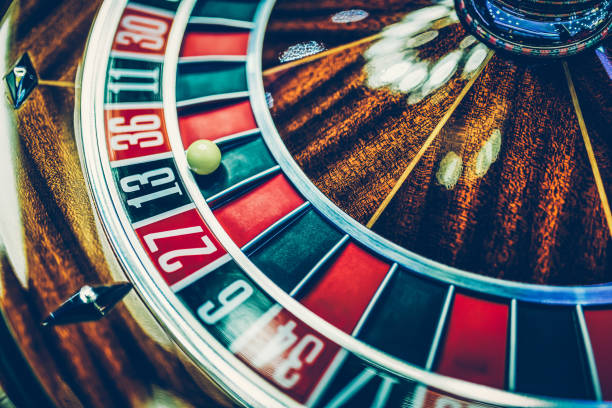
The gambler’s fallacy is a widespread misconception that suggests past outcomes can influence future results in independent events. For example, if a player observes that a roulette wheel has landed on black several times consecutively, they may erroneously believe that red is “overdue” and therefore more likely to appear next. This line of thinking is fundamentally flawed, as each spin of the wheel is an independent event, and the probability remains constant regardless of previous spins. This cognitive bias can lead to reckless betting and significant financial losses.
To truly understand the gambler’s fallacy, one must grasp the concept of probability. Each spin of the roulette wheel has the same likelihood of landing on red or black, independent of past results. This misunderstanding often leads players to increase their bets in an attempt to recover losses or chase after potential wins. Such behavior not only reinforces the gambler’s fallacy but can also result in deeper financial pitfalls. Recognizing that luck and probability play a significant role in gambling is essential for making informed decisions.
Players can adopt more effective gambling strategies by avoiding the trap of the gambler’s fallacy. A clear understanding of probability can lead to more responsible gaming habits, where players engage with the games without the false belief that they can outsmart the odds. This knowledge fosters a healthier gambling environment, allowing players to appreciate the excitement of the games while remaining aware of their inherent risks and uncertainties.
The Myth of Winning Streaks
Another common myth among casino-goers is the belief in winning streaks, where players think they are more likely to win after experiencing a series of consecutive wins. This idea can create an emotional high, leading players to feel invincible and prompting them to increase their bets. However, it is crucial to understand that the odds of winning remain constant regardless of previous outcomes. This misconception can lead to overconfidence and ultimately result in substantial financial losses.
To illustrate this point, consider a player who has won several hands of blackjack in a row. They may believe they are on a winning streak, causing them to increase their bets dramatically. However, mathematically, each hand is independent, and the probability of winning does not change based on prior hands. Casinos are designed to maintain a house edge, which means that chasing wins during a perceived winning streak often leads to losses. It is essential for players to maintain a level-headed perspective when gambling.
Recognizing the myth of winning streaks can help players manage their bankroll more effectively. Setting personal limits and adhering to them, regardless of recent successes, is vital for a fun and responsible gambling experience. This approach not only protects players from overextending financially but also reinforces the understanding that each game is a new opportunity, unaffected by prior results. By maintaining a balanced perspective, players can enjoy their time at the casino while minimizing the risks associated with gambling.
The Belief That Casinos Want You to Win
Many newcomers to the casino scene hold the misconception that casinos want their patrons to win. While it’s true that winners can create excitement and draw in crowds, the reality is that the casino’s business model is built around the house edge, which ensures that the establishment profits over time. This myth can lead players to feel overly comfortable and take unnecessary risks, believing that the casino is on their side. Understanding the economics of the gaming industry is essential for making informed decisions.

In truth, while casinos do aim to maintain a welcoming atmosphere to encourage repeat business, the fundamental principle remains that the odds are structured to benefit the house. Each game, whether it’s slots, poker, or table games, is designed with built-in advantages for the casino. This does not mean that players never win; rather, it reflects the reality that, over time, the casino is likely to come out ahead. Recognizing this aspect is crucial for players to set realistic expectations and engage in responsible gambling practices.
Furthermore, casinos employ various strategies to enhance the gaming experience, such as offering complimentary drinks, meals, and entertainment. While these perks can create a sense of goodwill, they do not alter the odds that players face. A clear understanding of this dynamic helps players approach gambling with a more informed mindset, allowing them to enjoy their time while remaining mindful of the risks involved. Ultimately, awareness of the casino’s profit motives can lead to more responsible and enjoyable gaming experiences.
Exploring More Myths and Realities on the Website
For those interested in learning more about the myths that surround the world of casinos, numerous online resources provide valuable information and insights. These dedicated platforms focus on gambling education, offering comprehensive analyses of common misconceptions to help players differentiate between fact and fiction. The objective is to empower gamblers with knowledge that informs their decisions and enhances their overall gaming experience.
By providing accurate information, these online resources aim to foster a community centered around responsible gambling. They often include guidelines on how to enjoy gaming while being cognizant of potential pitfalls. As players navigate the confusing landscape of casino myths, access to factual data becomes crucial in promoting a well-rounded understanding of gambling and ensuring that experiences remain safe and enjoyable.
Ultimately, exploring these resources can clarify many of the common myths held by players and serve as a reminder of the joy of responsible gaming. Engaging with a community that prioritizes education and awareness can enrich the overall gaming experience, allowing players to appreciate the complexities and realities of casino gaming while enjoying their time responsibly.